CRM SYSTEM
Juggling multiple tasks as a solopreneur can be overwhelming. That's why a good Customer Relationship Management (CRM) system is a necessity! It organizes your contacts, streamlines communication, helps with follow-up, and boosts productivity.
Incorporating a CRM into your business operations is not just about managing customer data; it's about transforming how you engage with your customers and drive your business forward. Organize your contacts, schedules, tasks, and notes.
Contact Information
Store contact information, such as names, email addresses, and phone numbers. Use a CRM to keep your data organized.
Segmenting Contacts
Group contacts based on shared characteristics, such as industry, location, or interests. This allows you to send targeted messages.
Interaction History
Track interactions with customers, including emails, calls, and social media interactions. This helps you understand their needs.
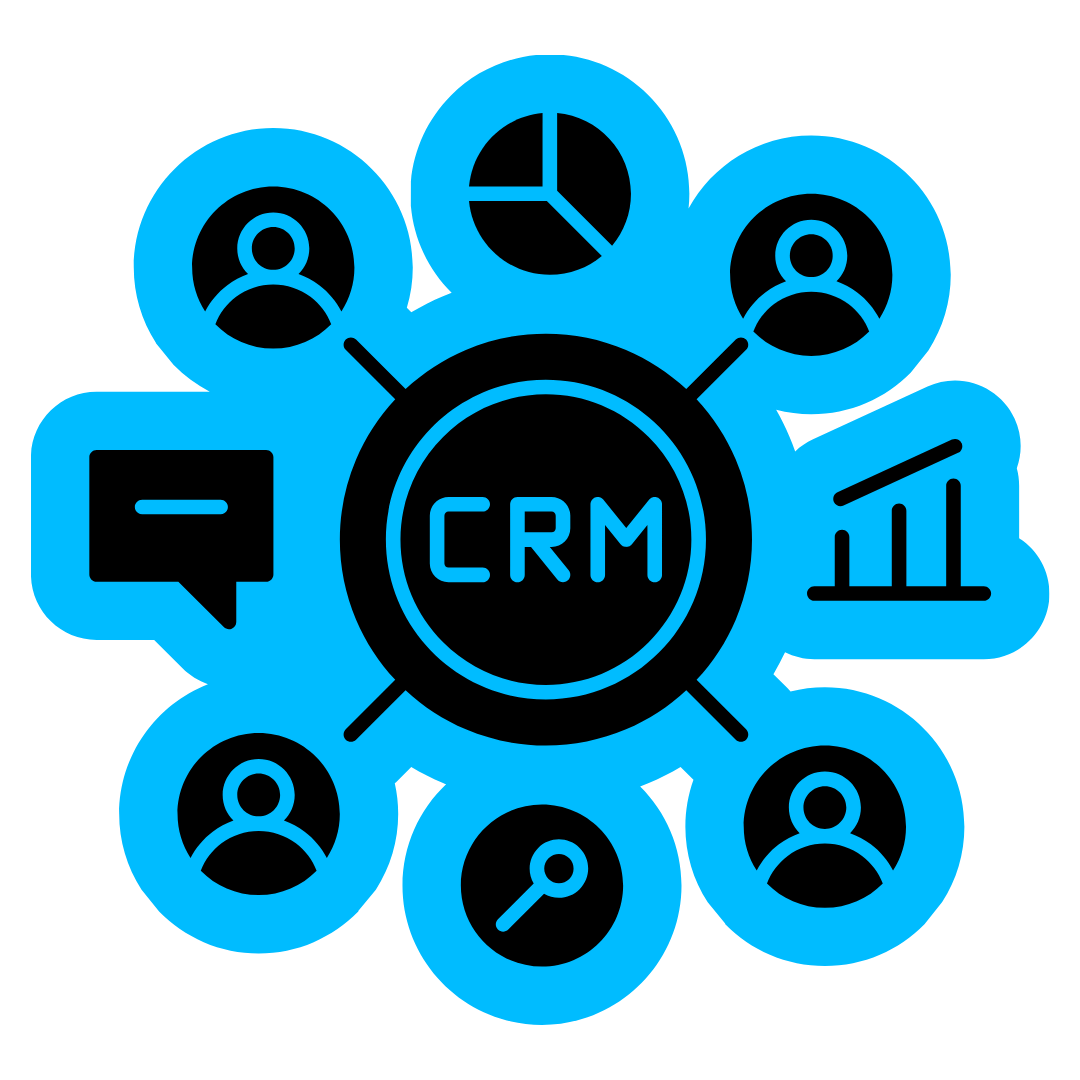
Why is it important to use a CRM System?
A CRM system serves as the backbone for managing interactions with leads, prospects, customers, and contacts efficiently. A CRM system helps in organizing information, automating tasks, and streamlining processes, ensuring that no opportunity slips through the cracks.
Efficient Marketing:
The segmentation of contacts into different categories enables personalized communication strategies. For instance, leads can be nurtured with targeted content that will result in more conversions. The CRM system also provides valuable insights into customer behavior and preferences, which can inform future marketing and sales strategies.
Centralized Data Storage:
A CRM system allows you to store all customer information in one place, making it easily accessible to anyone in your organization who needs it. This ensures that your team has the most up-to-date information at their fingertips for a unified approach to customer management.
Improved Customer Relationships:
By having detailed information about your customers' preferences, purchase history, and interactions with your company, you can provide personalized experiences that enhance customer satisfaction and loyalty.
Efficiency and Productivity:
Automating routine tasks, such as data entry and lead tracking, frees up your team's time to focus on more strategic activities. This can lead to increased productivity and efficiency within your organization. Automating follow-up processes ensures timely and relevant communication. For example, setting up automated email sequences for different stages of the customer journey can keep the leads engaged.
Enhanced Customer Service:
A CRM system provides tools for better communication with your customers and your team. By having access to the same information, your team can maintain a unified approach to customer management to ensure no conversation is lost or forgotten. With quick access to customer information and history, businesses can provide personalized and efficient support, improving customer satisfaction and loyalty.
Data-Driven Decision Making:
With the data collected by a CRM, you can analyze customer behavior, sales trends, and marketing effectiveness. This insight allows you to make informed decisions that drive growth.
Sales Management:
By streamlining the sales process, tracking leads, and nurturing customer relationships, a CRM system can help you manage campaigns, close more deals and increase your revenue.
Customer Retention:
A CRM helps you keep track of customer satisfaction and identify any issues early on. By proactively addressing these issues, you can improve customer retention rates.
Scalability:
As your business grows, a CRM system can grow with you. It's designed to accommodate an increasing number of customers and a growing amount of data, ensuring that you can manage your customer relationships effectively at every stage of your business.
Collaboration:
CRMs facilitate collaboration among team members by sharing customer insights and status updates on projects or sales deals. This ensures everyone is on the same page and working towards common goals.
Analytics and Reporting:
CRM systems offer analytics tools that provide insights into customer behavior, sales trends, and marketing effectiveness. This data helps businesses make informed decisions to gain insights into the business performance.