LANDING PAGE
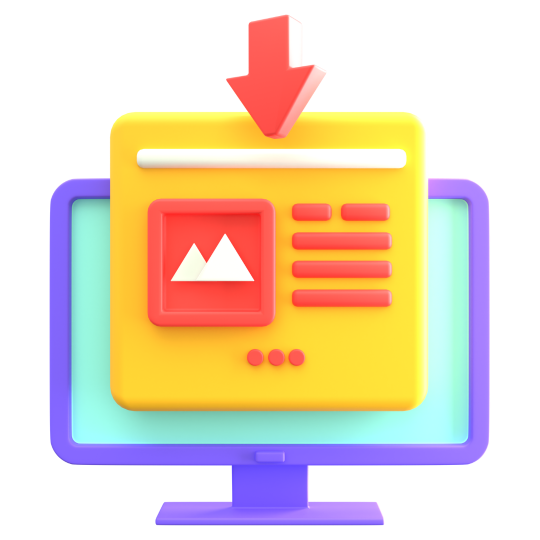
A landing page is a standalone web page, specifically designed for a marketing or advertising campaign. It's where a visitor "lands" after they click on a link in an email, ads from search engines, social media, or other websites. The main goal of a landing page is to convert visitors into leads or customers by encouraging them to take specific action, such as signing up for a newsletter or making a purchase.
When you know and understand the right components to include on your landing page, you will see an increase in converting more prospects into customers.
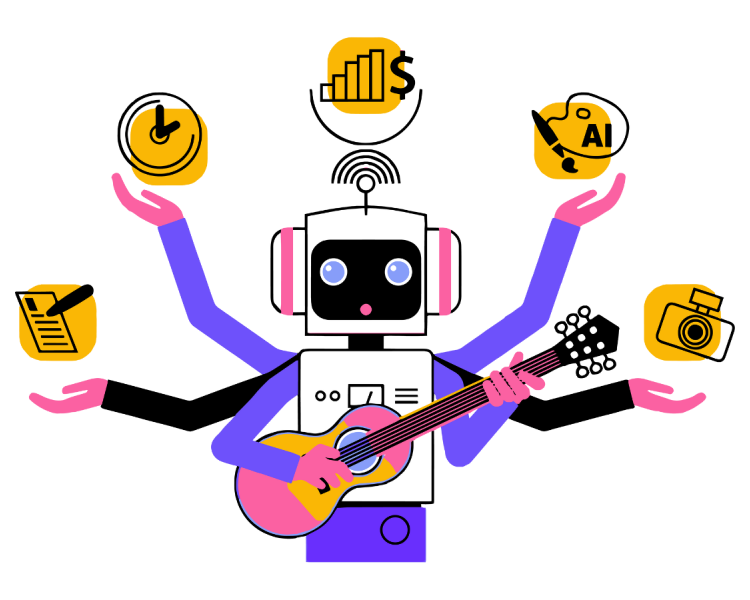
Have you ever experienced AI hallucination? This occurs when AI conjures up information that's either completely false or doesn't make sense. It's a reminder of the importance of clarity in our AI prompts. That's why you should always review the information provided by AI before using it! Leveraging AI tools can significantly enhance your productivity but how can you navigate the complexities of AI to harness its full potential effectively? Join our training community, where we simplify AI, show you how to future-proof yourself, and stay ahead of the curve. Don't let learning AI hold you back. Contact Arba to embark on this journey of discovery and success together!
An anomaly is an unexpected or unusual event that deviates from the norm and can significantly impact marketing efforts. For instance, a sudden and unexplained spike in website traffic without any recent marketing activities or known external factors could be considered an anomaly. This could result from a variety of causes, such as a post going viral on social media, an influential figure mentioning the website, or even a bot attack. Identifying and understanding these anomalies is crucial for marketers to adapt their strategies, capitalize on positive trends, or mitigate potential issues. That's why it's important to use analytics to monitor your marketing efforts.

Your social media profile is a crucial part of your personal branding strategy. It's the first impression you make on potential followers, clients, or collaborators. A photo of you, rather than a logo, makes your account more personable and relatable. It allows people to connect with you on a human level. Remember, the best representation of you doesn't have to be a professional headshot. A great selfie that shows you in the best light works just fine. Just ensure it truly represents how you look now. This personal touch can significantly impact how your audience perceives and interacts with your brand online. Do you use your personal photo or your business logo?
When video shorts was first introduced, little did we know they would redefine online marketing. The surge in popularity of video shorts is a testament to the evolving landscape of business communication. As a Digital Technologist, I know the importance of telling your brand's story through a clear, precise, and compelling video. I have created hundreds of video shorts for my marketing. This strategy has increased my visibility and engagement for people to trust to do business with me. Contact me if you need help creating videos to market your business.
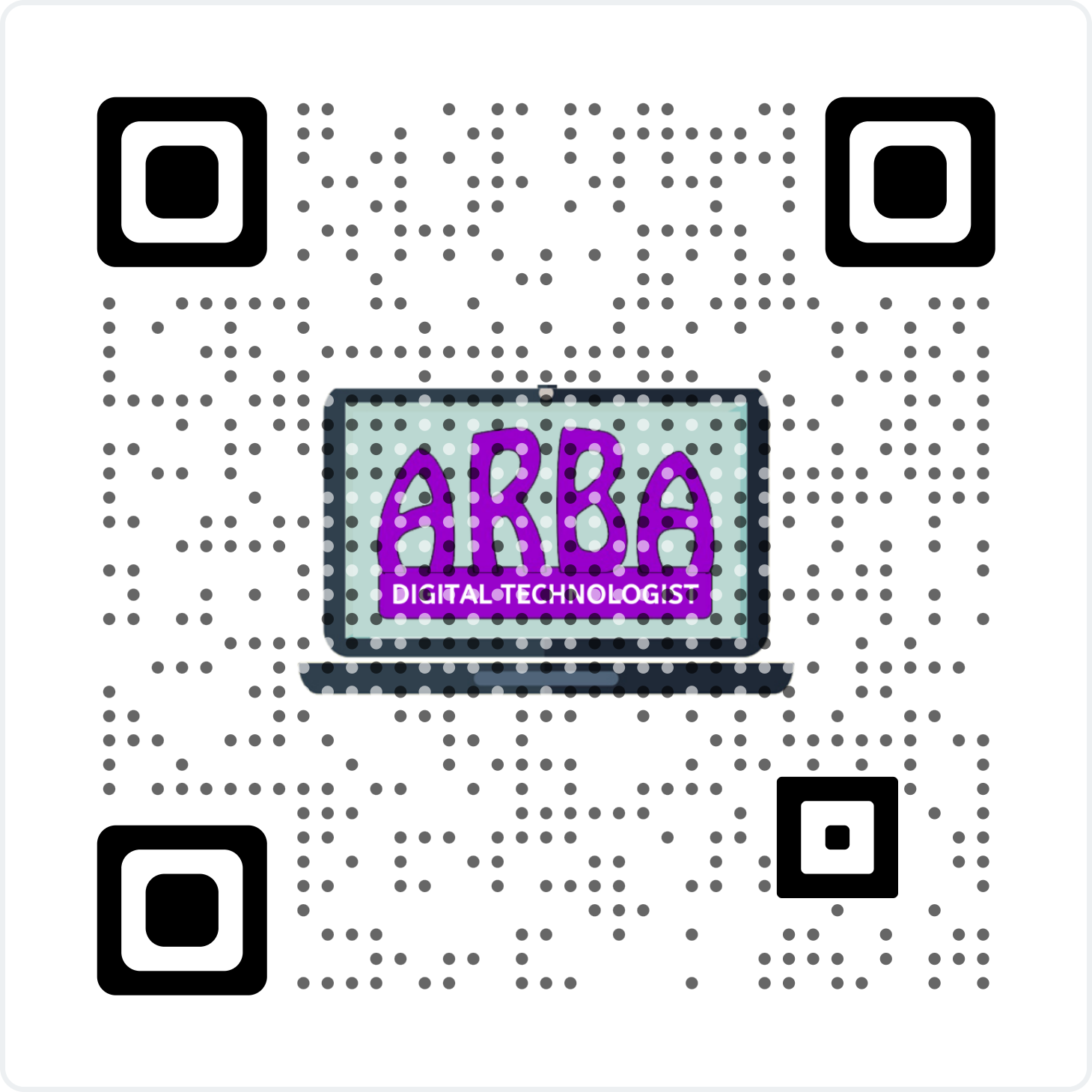
QR codes, or Quick Response codes, are a type of barcode that can be scanned using a smartphone camera. Information is stored as a series of pixels in a square-shaped grid and can be used to encode website links or other data. QR codes have become popular in marketing by allowing a quick way to access a website, social media page, or contact information. Many restaurants now use QR codes for customers to access their menus. NOTE: I don't recommend only using QR codes on Zoom calls. You should also put your link in the chat instead of expecting people to scan your QR, especially if they are already using their phone! If you want to know a free and easy way to create a custom QR code like mine, attend my CANVA ASK AN EXPERT workshops. Register at ArbaEvents.com .
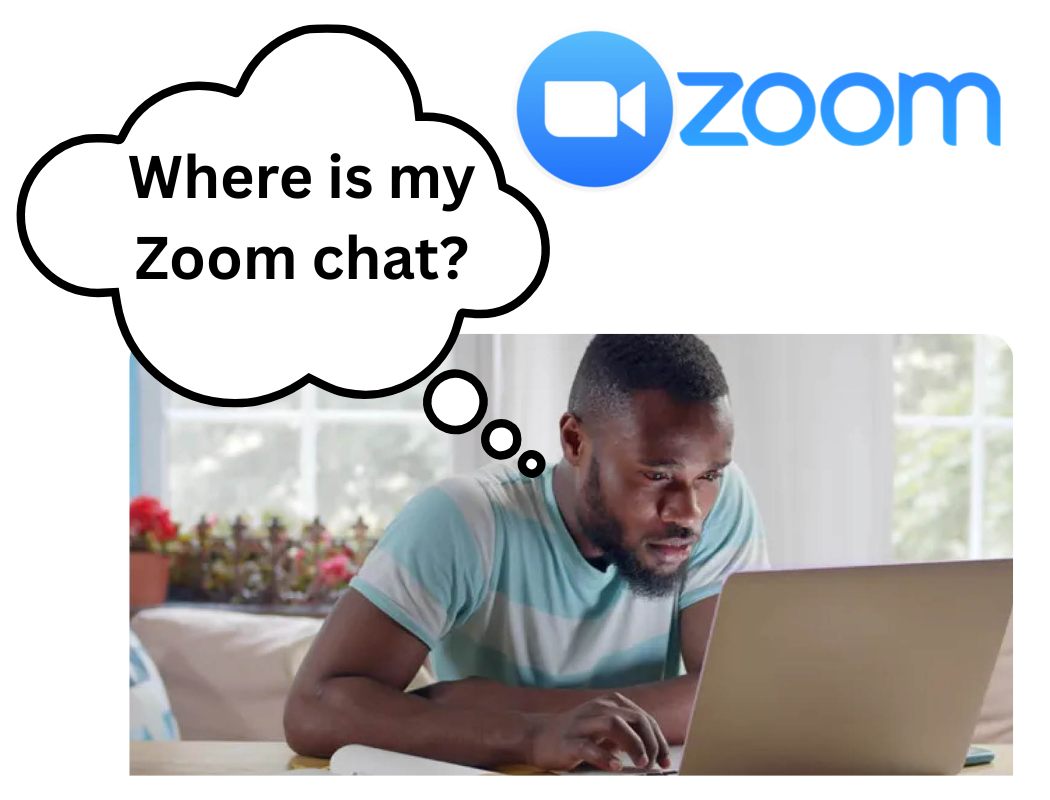
Have you ever been in a Zoom meeting and saved the chat but then you can't find it later? Well, here's the answer for Windows PC users: Open your Explorer folder 📁 and click Documents. In the Documents folder, double-click on the Zoom folder and you will see a folder for every date/time that you saved the meeting chat. Double-click the date/time folder to access the chat text file.

SOCIAL PROOF is a psychological phenomenon where people assume the actions of others in an attempt to reflect correct behavior for a given situation. Each type of social proof can be leveraged in different ways to enhance credibility and trust in a brand or product, ultimately influencing purchasing decisions. It's a powerful tool in marketing and can take various forms: Customer Testimonials : Positive statements from satisfied customers that affirm the value of a product or service. Celebrity Endorsements : When a celebrity or influencer promotes a product, implying it is trustworthy because of their support. User Reviews and Ratings : Feedback and ratings from users on e-commerce sites or review platforms that provide credibility to a product or service. Case Studies : Detailed examples of how a product or service has successfully solved a problem for a customer. Social Media Shares and Likes : The number of shares, likes, and comments can indicate the popularity and approval of content. Trust Badges : Symbols or icons on a website that show affiliation with reputable organizations, indicating trustworthiness. Media Mentions : Coverage or mentions in the media can serve as proof of a product's legitimacy and value. Expert Approval : Endorsements from industry experts or thought leaders can lend credibility to a product or service. User-Generated Content : Content created by users, such as photos or videos using a product, which shows real people endorsing a brand. Wisdom of the Crowds : The idea that a large group of people is likely to make good decisions or provide accurate information. Wisdom of Friends : Recommendations from friends or acquaintances, which are highly influential due to the trust in personal relationships.
DNS stands for Domain Name System. It's like the phone book of the internet. When you type a web address into your Internet browser, DNS is what translates that web address (like www.example.com) into the IP address (such as 100.24.208.97) that computers use to identify each other on the network. Without DNS, you would have to remember and enter the IP address of every website you wanted to visit, which would be quite cumbersome. DNS makes it possible for us to use memorable domain names to navigate the internet easily. It operates globally, managing the mapping between the names of websites and their corresponding IP addresses.